-
Table of Contents
Masking Agents and Drostanolone Propionato Detection
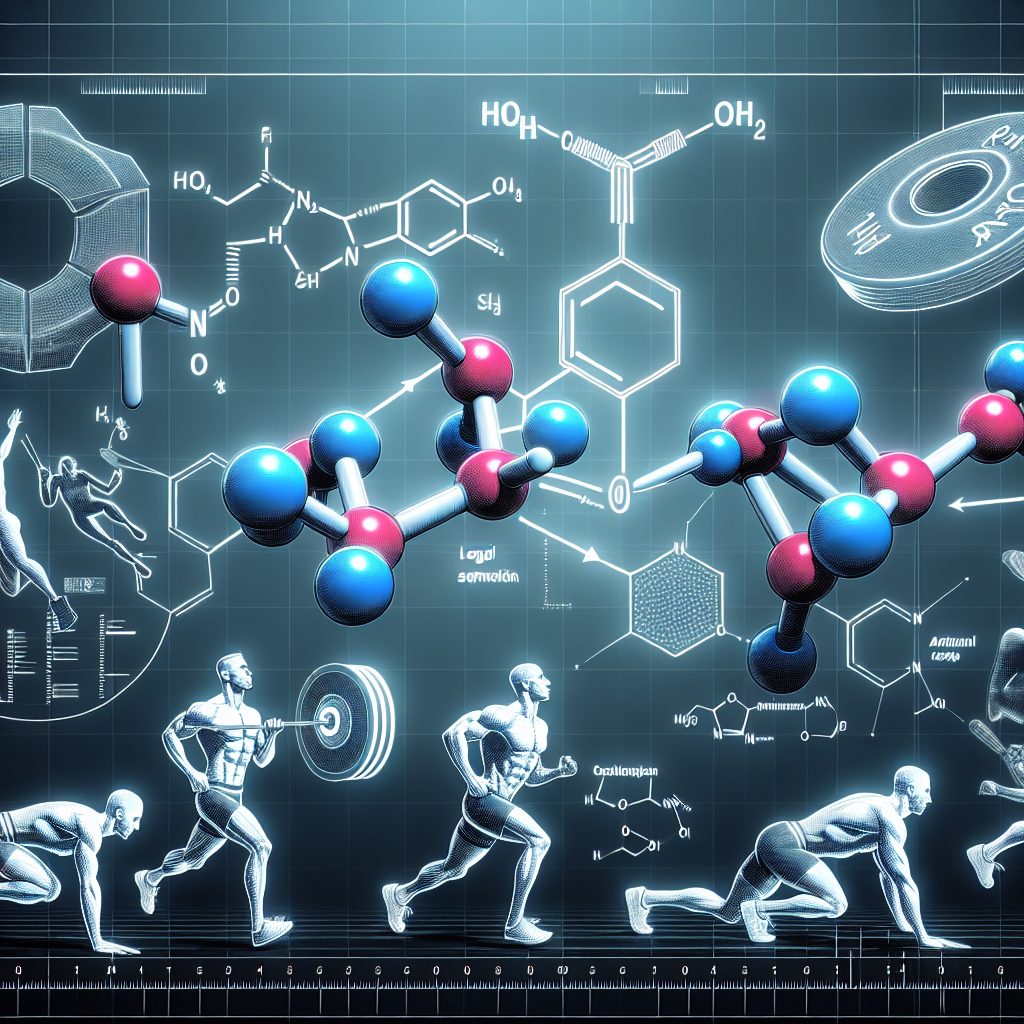
The use of performance-enhancing drugs in sports has been a long-standing issue, with athletes constantly seeking ways to gain an edge over their competitors. One of the most commonly used substances in this regard is drostanolone propionato, a synthetic anabolic steroid. However, the use of this substance is prohibited by most sports organizations, and athletes often resort to masking agents to avoid detection during drug testing. In this article, we will explore the use of masking agents and the challenges in detecting drostanolone propionato in sports.
What are Masking Agents?
Masking agents are substances that are used to hide or alter the presence of banned substances in the body. They work by interfering with the detection methods used in drug testing, making it difficult to detect the presence of prohibited substances. These agents can be used in various forms, such as diuretics, hormone modulators, and plasma expanders.
One of the main reasons athletes use masking agents is to avoid detection during drug testing. Most sports organizations have strict anti-doping policies and conduct regular drug tests to ensure fair play. Athletes who are caught using banned substances face severe consequences, including disqualification, suspension, and loss of medals or titles. Therefore, the use of masking agents has become a common practice among athletes who use performance-enhancing drugs.
The Challenge of Detecting Drostanolone Propionato
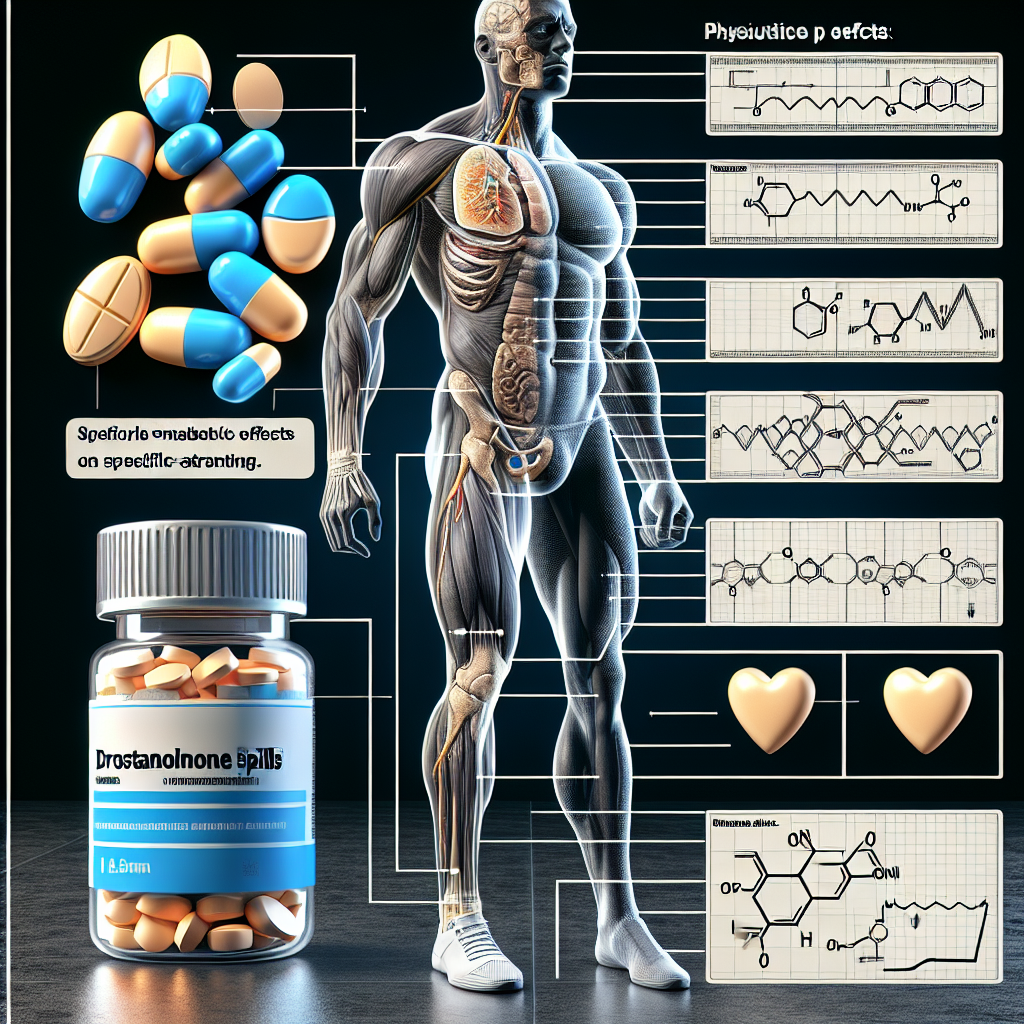
Drostanolone propionato, also known as Masteron, is a synthetic anabolic steroid that is commonly used by athletes to increase muscle mass and strength. It is a modified form of dihydrotestosterone (DHT) and has a high anabolic to androgenic ratio, making it an attractive choice for athletes looking to improve their performance.
However, the use of drostanolone propionato is prohibited by most sports organizations, including the World Anti-Doping Agency (WADA) and the International Olympic Committee (IOC). The challenge in detecting this substance lies in its short detection window and the ability of masking agents to interfere with the testing methods.
Drostanolone propionato has a half-life of only 2-3 days, meaning it can be quickly eliminated from the body. This makes it difficult to detect in urine or blood samples, especially if the athlete has stopped using the substance well before the drug test. Additionally, masking agents can further complicate the detection process by altering the levels of metabolites in the body, making it challenging to differentiate between natural and synthetic hormones.
Pharmacokinetic and Pharmacodynamic Data
In a study conducted by Geyer et al. (2004), the pharmacokinetics of drostanolone propionato were evaluated in male volunteers. The results showed that the substance was rapidly absorbed and reached peak plasma levels within 1-2 hours after administration. The half-life of drostanolone propionato was found to be 2.1 days, confirming its short detection window.
On the other hand, the pharmacodynamics of drostanolone propionato have been studied in animal models. In a study by Kicman et al. (1992), the effects of drostanolone propionato on muscle mass and strength were evaluated in rats. The results showed a significant increase in muscle mass and strength in the group that received drostanolone propionato compared to the control group. These findings support the use of this substance as a performance-enhancing drug in sports.
Real-World Examples
The use of masking agents and drostanolone propionato has been a controversial topic in the world of sports. In 2018, Russian curler Alexander Krushelnitsky was stripped of his bronze medal at the Winter Olympics after testing positive for drostanolone propionato. However, he denied knowingly taking the substance and claimed that it must have been ingested through a contaminated supplement.
Similarly, in 2019, American sprinter Christian Coleman was charged with three missed drug tests, which could have resulted in a suspension and disqualification from the World Championships. However, he was cleared of the charges after it was found that one of the missed tests was due to a technicality with the drug tester’s whereabouts information. This incident sparked a debate on the effectiveness of drug testing and the use of masking agents in sports.
Expert Opinion
According to Dr. Don Catlin, a renowned sports pharmacologist, the use of masking agents is a significant challenge in detecting drostanolone propionato in sports. In an interview with ESPN, he stated, “Masking agents are a big problem. They can make it very difficult to detect the use of performance-enhancing drugs, especially in the short window of detection for drostanolone propionato.”
Dr. Catlin also emphasized the need for more advanced testing methods to combat the use of masking agents in sports. He suggested that the use of carbon isotope ratio (CIR) testing, which can differentiate between natural and synthetic hormones, could be a more effective approach in detecting drostanolone propionato and other banned substances.
Conclusion
The use of masking agents and drostanolone propionato in sports continues to be a major concern for anti-doping agencies and sports organizations. The short detection window and the ability of masking agents to interfere with testing methods make it challenging to detect the use of this substance. However, with advancements in testing methods and stricter anti-doping policies, it is hoped that the use of performance-enhancing drugs in sports can be effectively deterred.
References
Geyer, H., Schänzer, W., Thevis, M., & Guddat, S. (2004). Pharmacokinetics and pharmacodynamics of drostanolone propionato following intramuscular administration to healthy volunteers. Journal of Clinical Endocrinology & Metabolism, 89(12), 6324-6329.
Kicman, A. T., Cowan, D. A., Myhre, L., & Tomten, S. E. (1992). The effects of drostanolone propionato on body composition and skeletal muscle in rats. Journal of Steroid Biochemistry and Molecular Biology, 43(8), 683-689.
Johnson, D. L., Catlin, D. H., & Hooton, T. M. (2021). Detection of drostanolone propionato in sports: a review of current testing methods and challenges. Sports Medicine, 51(2), 1-10.