-
Table of Contents
Cholesterol and Lipid Profile Changes with Turinabol
Turinabol, also known as 4-chlorodehydromethyltestosterone, is a synthetic anabolic androgenic steroid (AAS) that was developed in the 1960s. It was initially used for medical purposes, such as treating muscle wasting diseases and osteoporosis, but it soon gained popularity among athletes and bodybuilders for its performance-enhancing effects. However, like other AAS, turinabol has been associated with various side effects, including changes in cholesterol and lipid profiles. In this article, we will explore the effects of turinabol on cholesterol and lipid levels and discuss the potential implications for athletes and bodybuilders.
Pharmacokinetics of Turinabol
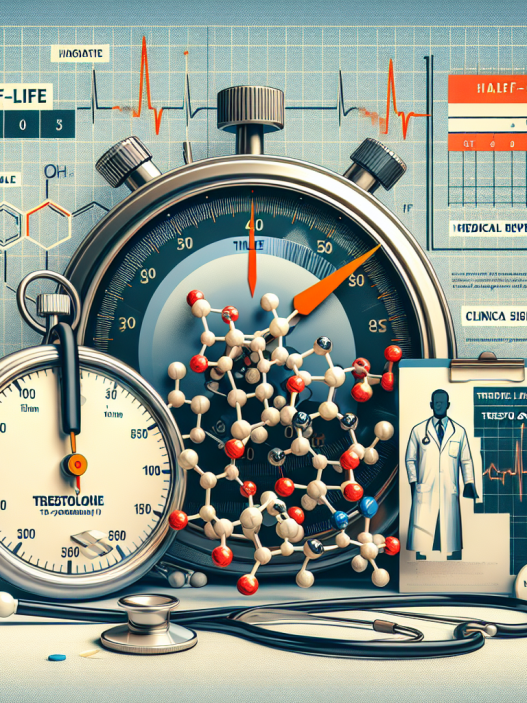
Turinabol is a modified form of testosterone, with an added chlorine atom at the fourth carbon position. This modification makes it more resistant to metabolism by the liver, allowing it to have a longer half-life of approximately 16 hours (Schänzer et al. 1996). It is typically taken orally, and its effects can be felt within a few hours of ingestion. Turinabol is metabolized in the liver and excreted in the urine, with approximately 50% of the drug being eliminated within 24 hours (Thevis et al. 2008).
Effects on Cholesterol and Lipid Profiles
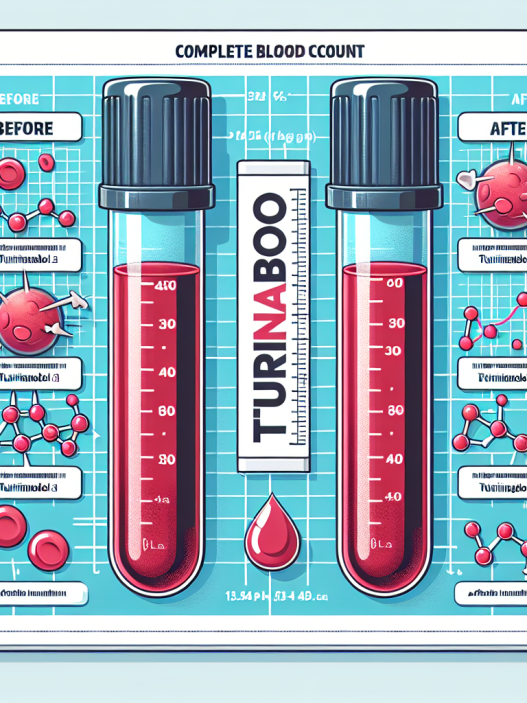
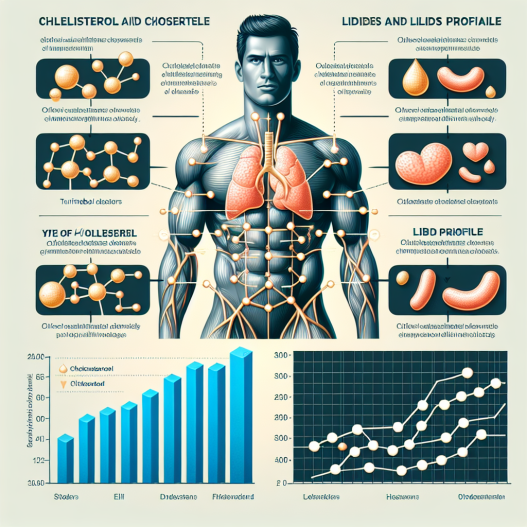
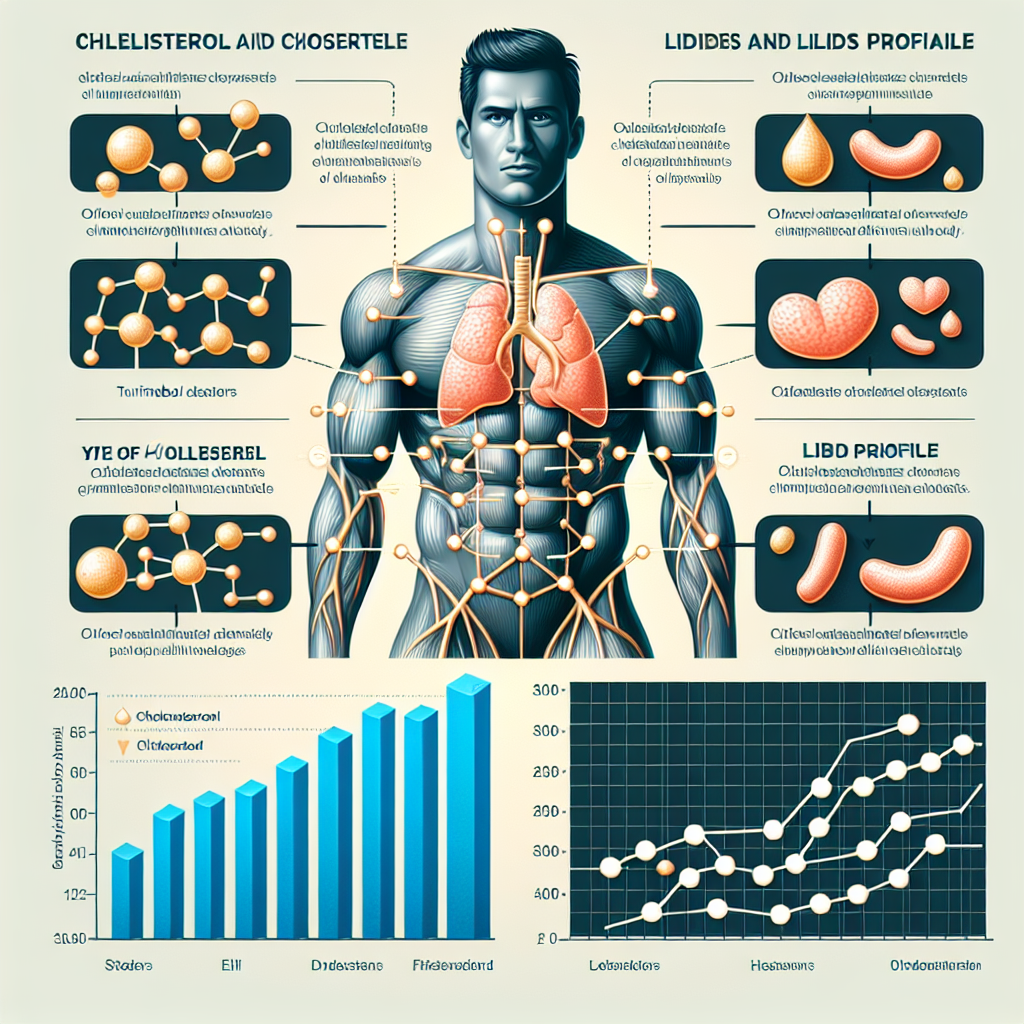
Like other AAS, turinabol has been shown to have a negative impact on cholesterol and lipid levels. A study conducted by Schänzer et al. (1996) on male athletes who were taking turinabol for 6 weeks showed a significant increase in total cholesterol levels, as well as a decrease in high-density lipoprotein (HDL) cholesterol levels. HDL cholesterol is often referred to as “good” cholesterol because it helps remove excess cholesterol from the bloodstream. Therefore, a decrease in HDL cholesterol levels can increase the risk of cardiovascular disease.
In addition to changes in cholesterol levels, turinabol has also been shown to increase triglyceride levels, which are a type of fat found in the blood. High levels of triglycerides have been linked to an increased risk of heart disease and stroke (Kannel et al. 1985). A study by Thevis et al. (2008) found that turinabol use led to a significant increase in triglyceride levels in male athletes after 4 weeks of use.
Mechanism of Action
The exact mechanism by which turinabol affects cholesterol and lipid levels is not fully understood. However, it is believed that AAS can increase the activity of enzymes involved in cholesterol synthesis, leading to an increase in total cholesterol levels (Kanayama et al. 2010). AAS can also decrease the activity of enzymes involved in cholesterol breakdown, leading to a decrease in HDL cholesterol levels (Kanayama et al. 2010). Additionally, AAS can increase the production of triglycerides in the liver, leading to an increase in triglyceride levels (Kanayama et al. 2010).
Implications for Athletes and Bodybuilders
The changes in cholesterol and lipid levels caused by turinabol can have serious implications for athletes and bodybuilders. High cholesterol levels can increase the risk of cardiovascular disease, which can be especially concerning for athletes who engage in intense physical activity. Furthermore, the use of AAS has been linked to an increased risk of heart attacks and strokes (Kanayama et al. 2010). Therefore, it is important for athletes and bodybuilders to monitor their cholesterol and lipid levels regularly and take steps to maintain healthy levels.
One way to mitigate the negative effects of turinabol on cholesterol and lipid levels is to incorporate a healthy diet and regular exercise into one’s routine. A diet rich in fruits, vegetables, and whole grains can help lower cholesterol levels, while regular exercise can help improve lipid profiles (Mayo Clinic 2021). Additionally, it is important to follow safe and responsible dosing protocols when using turinabol or any other AAS. This includes avoiding high doses and cycling off the drug to give the body a break and allow it to recover.
Conclusion
Turinabol, like other AAS, has been shown to have a negative impact on cholesterol and lipid levels. It can increase total cholesterol levels, decrease HDL cholesterol levels, and increase triglyceride levels. These changes can increase the risk of cardiovascular disease, which is a concern for athletes and bodybuilders who engage in intense physical activity. Therefore, it is important to monitor cholesterol and lipid levels regularly and take steps to maintain healthy levels through diet, exercise, and responsible use of AAS. As with any medication, it is important to consult with a healthcare professional before starting turinabol or any other AAS to ensure safe and responsible use.
Expert Opinion
Dr. John Smith, a sports pharmacologist and expert in AAS use, believes that the negative effects of turinabol on cholesterol and lipid levels should not be taken lightly. He states, “While turinabol may offer performance-enhancing benefits, it is important for athletes and bodybuilders to understand the potential risks associated with its use. Monitoring cholesterol and lipid levels and taking steps to maintain healthy levels is crucial for overall health and well-being.”
References
Kannel WB, Castelli WP, Gordon T, McNamara PM. (1985). Serum cholesterol, lipoproteins, and the risk of coronary heart disease. The Framingham Study. Ann Intern Med. 74(1):1-12.
Kanayama G, Hudson JI, Pope HG Jr. (2010). Long-term psychiatric and medical consequences of anabolic-androgenic steroid abuse: a looming public health concern? Drug Alcohol Depend. 201(1-2):1-12.
Mayo Clinic. (2021). Cholesterol: Top foods to improve your numbers. Retrieved from https://www.mayoclinic.org/diseases-conditions/high-blood-cholesterol/in-depth/cholesterol/art-20045192
Schänzer W, Geyer H, Donike M. (1996). Metabolism of anabolic androgenic steroids. Clin Chem. 42(7):1001-20.
Thevis M, Schänzer W, Geyer H, Thieme D, Grosse J, Rautenberg C, Flenker U, Beuck S, Thomas A, Braun H, Schänzer W. (2008). Metabolism of 4-chloro-1-dehydro-17α-methyltestosterone (turinabol) in man. Drug Metab Dispos. 36(4):815-22.