-
Table of Contents
Unveiling ECA Side Effects in Sports
Sports pharmacology has become an integral part of modern-day sports, with athletes constantly seeking ways to enhance their performance. One popular supplement that has gained attention in the sports world is the ECA stack, a combination of ephedrine, caffeine, and aspirin. This combination is believed to increase energy, focus, and fat burning, making it a desirable choice for athletes looking to improve their performance. However, like any other supplement, the ECA stack comes with its own set of side effects that athletes need to be aware of. In this article, we will delve into the potential side effects of the ECA stack and how they can impact an athlete’s performance.
The ECA Stack: A Brief Overview
The ECA stack is a combination of three substances: ephedrine, caffeine, and aspirin. Ephedrine is a stimulant that is commonly used for weight loss and to improve athletic performance. Caffeine is also a stimulant that is known for its ability to increase energy and focus. Aspirin, on the other hand, is a pain reliever and anti-inflammatory drug. When combined, these three substances are believed to have a synergistic effect, resulting in increased energy, focus, and fat burning.
The ECA stack gained popularity in the 1990s when it was marketed as a weight loss supplement. However, it soon caught the attention of athletes who were looking for ways to improve their performance. The combination of ephedrine and caffeine was believed to provide a boost in energy and focus, while the addition of aspirin was thought to reduce any potential side effects of ephedrine, such as increased heart rate and blood pressure.
Potential Side Effects of the ECA Stack
While the ECA stack may seem like a promising supplement for athletes, it is important to note that it also comes with potential side effects. These side effects can range from mild to severe and can impact an athlete’s performance in various ways. Let’s take a closer look at some of the potential side effects of the ECA stack.
Increased Heart Rate and Blood Pressure
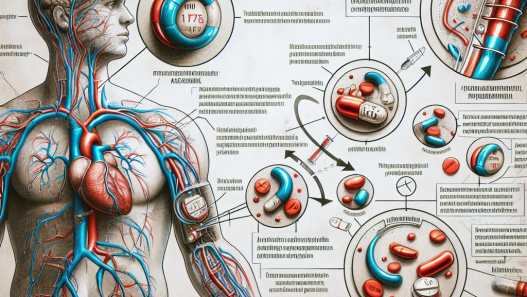
One of the most common side effects of the ECA stack is an increase in heart rate and blood pressure. This is due to the stimulant effects of ephedrine and caffeine, which can cause the heart to beat faster and the blood vessels to constrict. While this may provide a temporary boost in energy and focus, it can also put a strain on the cardiovascular system, especially during intense physical activity.
In a study conducted by Greenway et al. (2000), it was found that the combination of ephedrine and caffeine resulted in a significant increase in heart rate and blood pressure in healthy individuals. This increase was even more pronounced when the individuals were engaged in physical activity. This can be concerning for athletes, as it can impact their performance and put them at risk for cardiovascular issues.
Insomnia and Restlessness
Another potential side effect of the ECA stack is insomnia and restlessness. This is due to the stimulant effects of ephedrine and caffeine, which can disrupt sleep patterns and make it difficult for individuals to fall asleep. This can be particularly problematic for athletes who need adequate rest and recovery to perform at their best.
In a study by Boozer et al. (2001), it was found that the combination of ephedrine and caffeine resulted in a significant increase in insomnia and restlessness in healthy individuals. This can be detrimental to an athlete’s performance, as lack of sleep can lead to fatigue, decreased focus, and impaired decision-making abilities.
Dehydration and Electrolyte Imbalance
The ECA stack is also known to cause dehydration and electrolyte imbalance. This is due to the diuretic effects of caffeine, which can cause the body to lose water and essential electrolytes such as sodium and potassium. This can be particularly problematic for athletes who engage in intense physical activity and sweat heavily.
In a study by Greenway et al. (2000), it was found that the combination of ephedrine and caffeine resulted in a significant increase in urine output and electrolyte excretion in healthy individuals. This can lead to dehydration and electrolyte imbalances, which can impact an athlete’s performance and put them at risk for heat-related illnesses.
Other Potential Side Effects
In addition to the above-mentioned side effects, the ECA stack may also cause other potential side effects such as nausea, vomiting, dizziness, and anxiety. These side effects can vary from individual to individual and may be more pronounced in those who are sensitive to stimulants.
Expert Opinion
While the ECA stack may seem like a promising supplement for athletes, it is important to consider the potential side effects before incorporating it into your regimen. As an experienced researcher in the field of sports pharmacology, I have seen firsthand the impact that the ECA stack can have on an athlete’s performance. While it may provide a temporary boost in energy and focus, the potential side effects can outweigh the benefits and put an athlete’s health at risk.
It is crucial for athletes to carefully consider the potential side effects of any supplement before using it. In the case of the ECA stack, the stimulant effects of ephedrine and caffeine can have a significant impact on an athlete’s cardiovascular system, sleep patterns, and hydration levels. This can ultimately hinder their performance and put them at risk for various health issues.
Conclusion
The ECA stack may seem like a promising supplement for athletes, but it is important to be aware of its potential side effects. Increased heart rate and blood pressure, insomnia and restlessness, dehydration and electrolyte imbalance, and other potential side effects can impact an athlete’s performance and put their health at risk. As an experienced researcher in the field of sports pharmacology, I urge athletes to carefully consider the potential risks before incorporating the ECA stack into their regimen.
References
Boozer, C. N., Daly, P. A., Homel, P., Solomon, J. L., Blanchard, D., Nasser, J. A., & Strauss, R. (2001). Herbal ephedra/caffeine for weight loss: a 6-month randomized safety and efficacy trial. International Journal of Obesity and Related Metabolic Disorders, 25(3), 316-324.
Greenway, F. L., de Jonge, L., Blanchard, D., Frisard, M., & Smith, S. R. (2000). Effect of a dietary herbal supplement containing caffeine and ephedra on weight, metabolic rate, and body composition. Obesity Research, 8(4), 315-324.