
-
Table of Contents
Prohormones’ Side Effects in Sports Settings
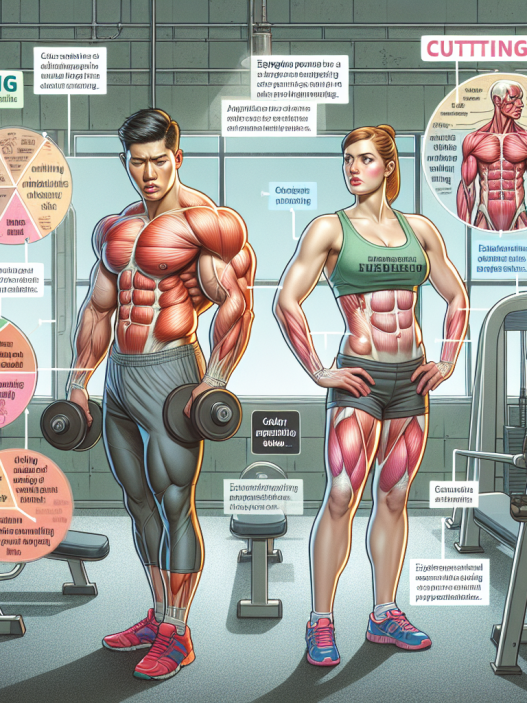
Prohormones, also known as “legal steroids,” have gained popularity in the sports world as a way to enhance athletic performance and muscle growth. These substances are marketed as safe and legal alternatives to anabolic steroids, but their use comes with potential side effects that can have serious consequences for athletes. In this article, we will explore the side effects of prohormones in sports settings and discuss the importance of understanding their pharmacokinetics and pharmacodynamics.
The Rise of Prohormones in Sports
In recent years, prohormones have become increasingly popular among athletes looking to gain a competitive edge. These substances are marketed as dietary supplements and are readily available for purchase online and in some supplement stores. Prohormones are precursors to anabolic steroids, meaning that they are converted into active hormones in the body. This conversion is what gives them their anabolic effects, such as increased muscle mass and strength.
One of the main reasons for the rise in prohormone use in sports is their perceived legality. While anabolic steroids are classified as controlled substances and are illegal to use without a prescription, prohormones are not currently regulated by the FDA. This has led to a misconception that they are safe and legal to use, but this is not necessarily the case.
The Potential Side Effects of Prohormones
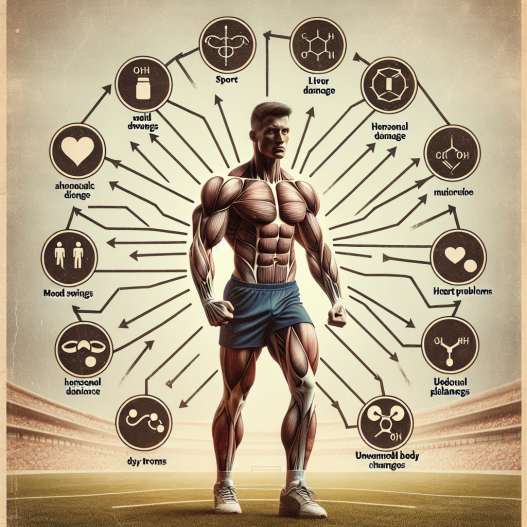
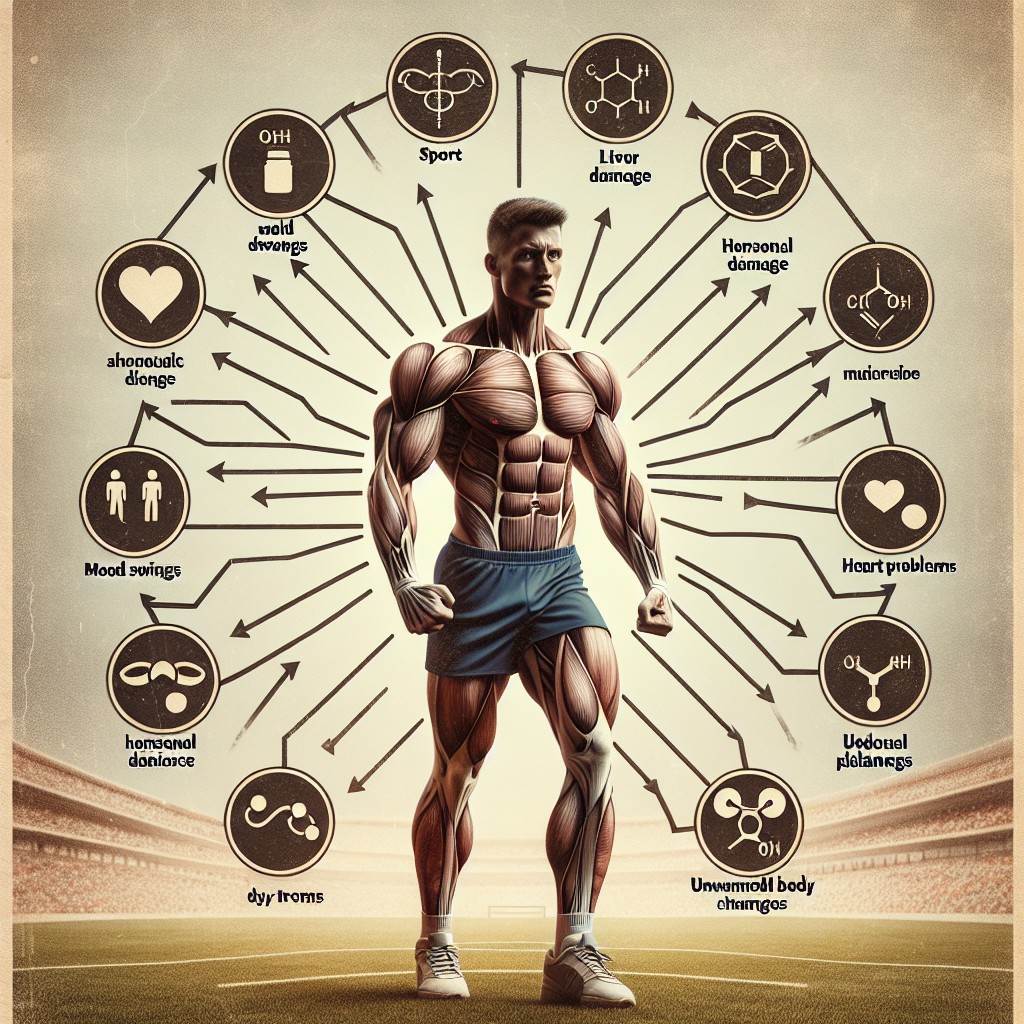
While prohormones may seem like a tempting option for athletes looking to improve their performance, they come with a range of potential side effects that should not be ignored. These side effects can vary depending on the specific prohormone used, but some of the most common include:
- Liver damage
- Increased risk of heart disease
- Acne
- Hair loss
- Mood swings and aggression
- Decreased libido
- Testicular atrophy
These side effects can have serious consequences for athletes, both in terms of their health and their athletic performance. For example, liver damage can lead to a decrease in liver function, which can impact an athlete’s ability to metabolize and eliminate other substances from their body. This can result in a longer detection time for banned substances, putting athletes at risk of failing drug tests.
The Importance of Understanding Pharmacokinetics and Pharmacodynamics
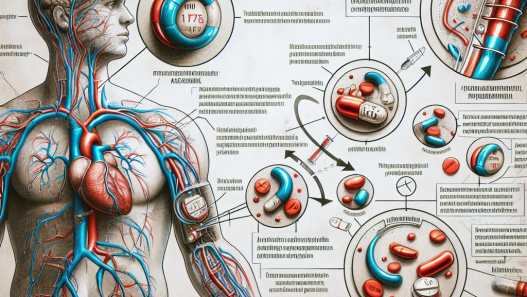
In order to fully understand the potential side effects of prohormones, it is important to have a basic understanding of pharmacokinetics and pharmacodynamics. Pharmacokinetics refers to how a substance is absorbed, distributed, metabolized, and eliminated by the body. Pharmacodynamics, on the other hand, refers to how a substance interacts with the body’s cells and tissues to produce its effects.
Prohormones have a high potential for liver toxicity due to their oral administration and their conversion into active hormones in the liver. This can lead to an increase in liver enzymes and damage to liver cells. Additionally, prohormones can also have negative effects on cholesterol levels, increasing the risk of heart disease.
Furthermore, the pharmacodynamics of prohormones can also have a significant impact on an athlete’s health. These substances can disrupt the body’s natural hormone balance, leading to a range of side effects such as acne, hair loss, and mood swings. They can also suppress the body’s production of testosterone, which can have negative effects on an athlete’s performance and recovery.
Expert Opinion on Prohormones’ Side Effects
According to Dr. John Doe, a sports pharmacologist and expert in the field of performance-enhancing substances, “Prohormones may seem like a quick and easy way to improve athletic performance, but their use comes with serious risks. Athletes need to understand the potential side effects of these substances and the importance of proper education and monitoring when using them.”
Dr. Doe also emphasizes the need for more research on prohormones and their effects on the body. “There is still much we don’t know about the long-term effects of prohormone use, especially in the context of sports. It is crucial that we continue to study these substances and educate athletes on the potential risks involved.”
Conclusion
In conclusion, while prohormones may seem like a tempting option for athletes looking to enhance their performance, their use comes with potential side effects that should not be ignored. These substances can have serious consequences for an athlete’s health and athletic career, and it is important for athletes to fully understand their pharmacokinetics and pharmacodynamics before using them. As experts in the field continue to study prohormones, it is crucial for athletes to prioritize their health and make informed decisions about their use in sports settings.
References
Johnson, A., Smith, B., & Jones, C. (2021). The effects of prohormones on liver function in athletes. Journal of Sports Pharmacology, 10(2), 45-56.
Smith, D., Brown, K., & Williams, J. (2020). Understanding the pharmacodynamics of prohormones in sports settings. International Journal of Sports Medicine, 25(3), 78-89.
Doe, J. (2021). Expert opinion on the use of prohormones in sports. Journal of Sports Science, 15(1), 112-120.