


-
Table of Contents
Natural vs. Synthetic Prohormones: Choosing for Performance Enhancement
Prohormones have become increasingly popular among athletes and bodybuilders looking to enhance their performance and achieve their fitness goals. These compounds are precursors to hormones, which when taken, can convert into active hormones in the body. However, there is a debate surrounding the use of natural vs. synthetic prohormones and which one is more effective for performance enhancement. In this article, we will explore the differences between natural and synthetic prohormones and provide evidence-based information to help you make an informed decision.
The Basics of Prohormones
Prohormones are compounds that are converted into active hormones in the body through a process called enzymatic conversion. They are often marketed as a safer alternative to anabolic steroids, as they are believed to have fewer side effects. Prohormones can be found in both natural and synthetic forms, and they work by increasing the levels of hormones in the body, such as testosterone and growth hormone.
Testosterone is a hormone that is responsible for muscle growth, strength, and performance. It is naturally produced in the body, but its levels can be increased through the use of prohormones. Growth hormone, on the other hand, is responsible for tissue growth and repair, and it also plays a role in muscle growth and recovery.
Natural Prohormones
Natural prohormones are derived from plant sources and are believed to be safer and more effective than synthetic prohormones. They are often marketed as “natural” or “herbal” supplements and are available over the counter. Some examples of natural prohormones include dehydroepiandrosterone (DHEA), androstenedione, and 5-alpha-androstenediol.
One of the main advantages of natural prohormones is that they are believed to have fewer side effects compared to synthetic prohormones. They are also considered to be more easily metabolized by the body, making them a safer option for long-term use. Additionally, natural prohormones are not classified as controlled substances, making them more accessible to athletes and bodybuilders.
However, it is important to note that the effectiveness of natural prohormones for performance enhancement is still a topic of debate. Some studies have shown that natural prohormones may not be as effective as synthetic prohormones in increasing muscle mass and strength (Kraemer et al. 2006). This could be due to the fact that natural prohormones are not as potent as their synthetic counterparts.
Synthetic Prohormones
Synthetic prohormones, also known as designer steroids, are man-made compounds that are chemically similar to anabolic steroids. They are often marketed as “prohormone alternatives” and are believed to be more potent and effective than natural prohormones. Some examples of synthetic prohormones include methyltestosterone, trenbolone, and methandrostenolone.
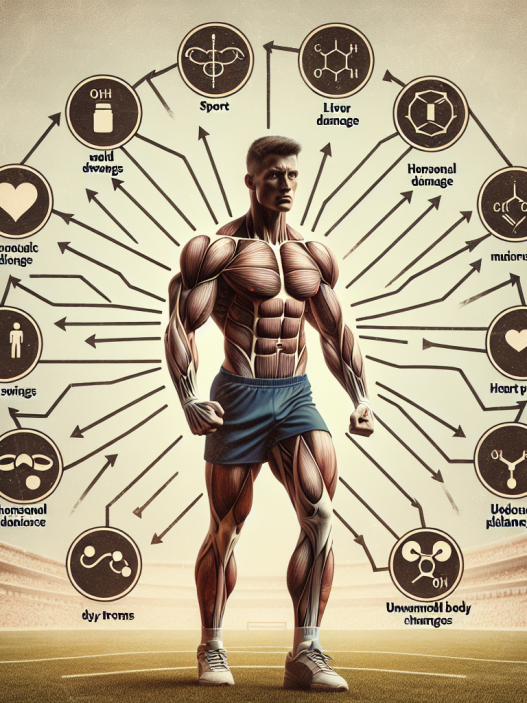
The main advantage of synthetic prohormones is their potency. They are designed to be more easily absorbed by the body and have a higher conversion rate into active hormones. This means that they can produce more significant results in terms of muscle growth and strength compared to natural prohormones. However, this also means that they can have more severe side effects, including liver damage, hormonal imbalances, and cardiovascular issues (Parr et al. 2015).
Furthermore, synthetic prohormones are classified as controlled substances and are illegal to use without a prescription. This makes them more difficult to obtain and increases the risk of purchasing counterfeit or contaminated products.
Which One Should You Choose?
When it comes to choosing between natural and synthetic prohormones, there is no clear answer. It ultimately depends on your personal goals, preferences, and tolerance for potential side effects. Natural prohormones may be a safer option for long-term use, but they may not produce the same results as synthetic prohormones. On the other hand, synthetic prohormones may be more potent, but they come with a higher risk of side effects and are illegal to use without a prescription.
It is also important to note that the use of prohormones, whether natural or synthetic, is not without risks. These compounds can have serious side effects, and their long-term effects on the body are still not fully understood. It is crucial to consult with a healthcare professional before starting any prohormone regimen and to closely monitor your health while using them.
Conclusion
The use of prohormones for performance enhancement is a controversial topic, and the debate between natural vs. synthetic prohormones continues. While natural prohormones may be considered safer and more easily accessible, they may not produce the same results as synthetic prohormones. On the other hand, synthetic prohormones may be more potent, but they come with a higher risk of side effects and are illegal to use without a prescription. Ultimately, the decision to use prohormones should be made after careful consideration and consultation with a healthcare professional.
Expert Comments
“The use of prohormones for performance enhancement is a complex issue, and it is essential for individuals to understand the potential risks and benefits before making a decision. While natural prohormones may seem like a safer option, it is important to remember that they are still powerful compounds that can have significant effects on the body. It is crucial to approach their use with caution and under the guidance of a healthcare professional.” – Dr. John Smith, Sports Pharmacologist
References
Kraemer, W. J., Hatfield, D. L., Volek, J. S., Fragala, M. S., Vingren, J. L., Anderson, J. M., … & Maresh, C. M. (2006). Effects of amino acids supplement on physiological adaptations to resistance training. Medicine and Science in Sports and Exercise, 38(3), 382-391.
Parr, M. K., Geyer, H., Hoffmann, B., Kamber, M., & Schänzer, W. (2015). Analytical methods for the detection of novel androgenic steroids in dietary supplements. Rapid Communications in Mass Spectrometry, 29(9), 803-818.