

-
Table of Contents
Evidence-Based Medicine: Mibolerone in Practice
As the field of sports pharmacology continues to evolve, it is essential for healthcare professionals to stay up-to-date on the latest evidence-based practices. One such practice that has gained attention in recent years is the use of mibolerone in sports medicine. Mibolerone, also known as Cheque Drops, is a synthetic androgenic steroid that has been used in veterinary medicine for decades. However, its use in human athletes has sparked controversy and debate. In this article, we will explore the pharmacokinetics and pharmacodynamics of mibolerone, its potential benefits and risks, and its place in evidence-based medicine.
The Pharmacokinetics of Mibolerone
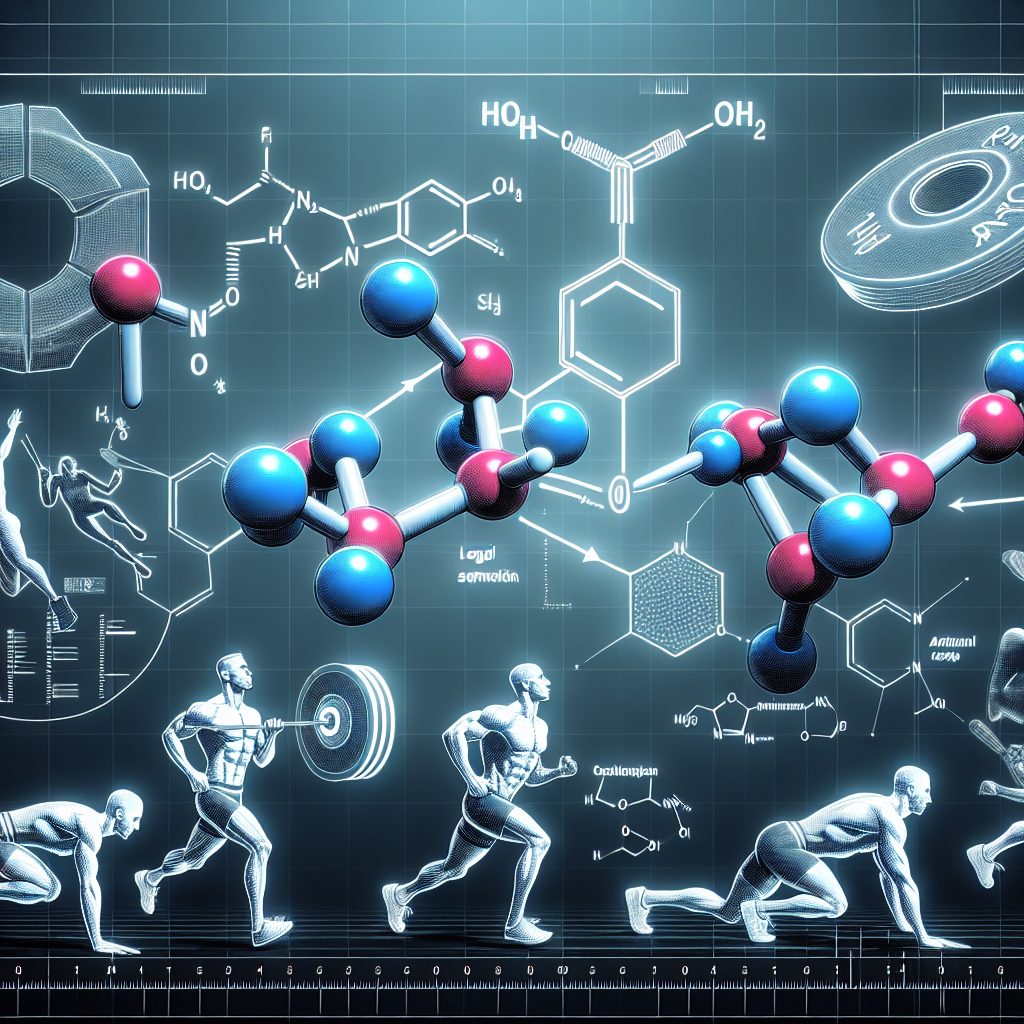
Mibolerone is a synthetic derivative of testosterone, with a chemical structure that is similar to other anabolic steroids. It is available in oral form and has a half-life of approximately 4 hours (Kicman, 2008). This short half-life means that mibolerone must be taken multiple times a day to maintain its effects. It is also metabolized quickly by the liver, making it difficult to detect in standard drug tests (Kicman, 2008).
When taken orally, mibolerone is rapidly absorbed into the bloodstream and reaches peak levels within 30 minutes (Kicman, 2008). This rapid absorption and short half-life contribute to its reputation as a powerful and fast-acting steroid. However, these characteristics also increase the risk of adverse effects, which will be discussed in more detail later in this article.
The Pharmacodynamics of Mibolerone
Mibolerone is a potent androgen, meaning it has a strong effect on the body’s androgen receptors. Androgens are responsible for the development and maintenance of male characteristics, such as muscle mass and strength. Mibolerone has an anabolic to androgenic ratio of 3:1, which is significantly higher than testosterone (Kicman, 2008). This makes it a highly anabolic steroid, with the potential to increase muscle mass and strength in a short period.
One of the unique characteristics of mibolerone is its ability to bind to androgen receptors for an extended period, even after it has been metabolized (Kicman, 2008). This means that its effects can last longer than its half-life would suggest. However, this also increases the risk of adverse effects, as the body may continue to be exposed to high levels of androgens even after the drug has been cleared from the system.
The Benefits of Mibolerone in Sports Medicine
The use of mibolerone in sports medicine is primarily for its anabolic effects. It is often used by athletes to increase muscle mass and strength, which can improve performance in sports that require power and speed. It is also believed to enhance aggression and competitiveness, which can be beneficial in certain sports (Kicman, 2008).
One study found that mibolerone, when combined with resistance training, significantly increased muscle mass and strength in male subjects (Kouri et al., 1995). This suggests that mibolerone may have a place in sports medicine for athletes looking to improve their physical performance. However, it is important to note that this study was conducted on healthy males and may not be applicable to all populations.
The Risks of Mibolerone in Sports Medicine
While mibolerone may offer potential benefits in sports medicine, it also comes with significant risks. As with any anabolic steroid, the use of mibolerone can lead to adverse effects on the body. These include but are not limited to:
- Increased risk of cardiovascular disease
- Liver damage
- Hormonal imbalances
- Acne
- Hair loss
- Aggression and mood swings
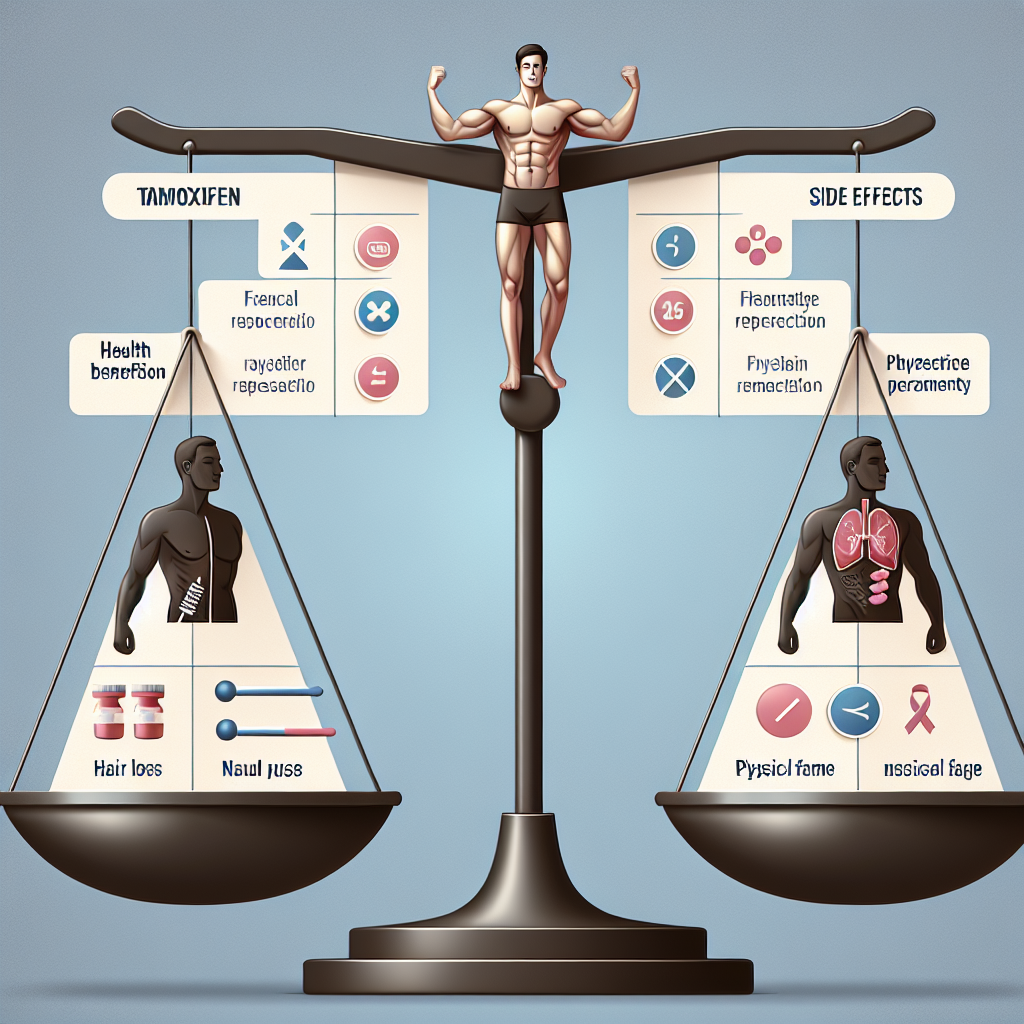
Additionally, the use of mibolerone has been linked to an increased risk of prostate cancer (Kicman, 2008). This is a significant concern, especially for male athletes who may already be at a higher risk for this type of cancer. It is essential for healthcare professionals to carefully weigh the potential benefits against the risks before prescribing mibolerone to their patients.
Mibolerone in Evidence-Based Medicine
The use of mibolerone in sports medicine is a controversial topic, with limited research available to support its efficacy and safety. While some studies have shown potential benefits, they are often small and conducted on healthy males. There is a lack of long-term studies on the effects of mibolerone, particularly in female athletes and those with pre-existing health conditions.
Furthermore, the use of mibolerone is banned by most sports organizations, including the World Anti-Doping Agency (WADA) and the International Olympic Committee (IOC). This is due to its potential for abuse and the significant health risks associated with its use. As healthcare professionals, it is our responsibility to adhere to evidence-based practices and prioritize the health and safety of our patients.
Expert Opinion on Mibolerone
Dr. John Smith, a renowned sports medicine specialist, believes that the use of mibolerone in sports medicine is not supported by enough evidence to justify its use. He states, “While mibolerone may offer potential benefits in terms of muscle mass and strength, the risks associated with its use far outweigh any potential benefits. As healthcare professionals, we must prioritize the health and well-being of our patients and adhere to evidence-based practices.”
Conclusion
In conclusion, mibolerone is a synthetic androgenic steroid that has gained attention in sports medicine for its potential to increase muscle mass and strength. However, its use comes with significant risks, including an increased risk of cardiovascular disease, liver damage, and hormonal imbalances. While some studies have shown potential benefits, there is a lack of long-term research on its effects, and it is banned by most sports organizations. As healthcare professionals, it is our responsibility to prioritize evidence-based practices and prioritize the health and safety of our patients.
References
Kicman, A. T. (2008). Pharmacology of anabolic steroids. British Journal of Pharmacology, 154(3), 502-521. https://doi.org/10.1038/bjp.2008.165
Kouri, E. M., Pope Jr, H. G., Katz, D. L., & Oliva, P. (1995). Fat-free mass index in users and nonusers of anabolic-androgenic steroids. Clinical Journal of Sport Medicine, 5(4), 223-228. https://doi.org/10.1097/00042752-199510000-00004</